Fitness is Creating a New Breed of Retiree
Retirement used to be viewed as a time to slow down, rest, and accept a gradual physical decline. A profound shift is now taking place across the country as older adults reject this outdated narrative. They are turning to proactive fitness to maintain their independence, mobility, and overall quality of life. This movement focuses on functional training, which prepares the body for real-life movements rather than just lifting heavy weights in a static position. The primary goal is to build a robust physical foundation that allows people to continue enjoying their favourite hobbies and activities well into their later years.
Understanding functional fitness for older adults
Functional fitness centres on exercises that mimic everyday activities, making daily tasks easier and safer to perform. Movements such as squatting, pulling, pushing, and carrying are prioritised over isolated muscle exercises. For a retiree, this might mean being able to safely lift a heavy grandchild, carry bulky groceries from the car, or reach a high kitchen shelf without losing balance. This approach to exercise builds essential core strength, improves overall coordination, and enhances joint stability. By targeting multiple muscle groups simultaneously, older adults develop a resilient body capable of handling the unpredictable demands of daily life.
The benefits extend far beyond basic physical capability. Engaging in regular functional training significantly reduces the risk of falls, which remains one of the leading causes of injury among the elderly. Improved balance and proprioception mean that a sudden slip is much less likely to result in a dangerous bone fracture. Furthermore, the mental health advantages are incredibly substantial. Physical exertion releases natural endorphins that elevate mood and combat feelings of depression or isolation that can sometimes accompany retirement. Staying active also preserves vital cognitive function, keeping the mind sharp and focused on the present moment.
Shifting from reactive to proactive health management
Historically, many individuals only began physical therapy or targeted exercise after suffering an injury or developing a chronic medical condition. The new breed of retiree adopts a completely proactive stance. They are investing valuable time in mobility work, strength training, and cardiovascular health long before serious problems arise. This preventative strategy drastically lowers long-term healthcare costs and reduces the countless hours spent in medical waiting rooms. Physiotherapists and fitness professionals are currently seeing a massive surge in older clients who want to safeguard their future mobility rather than simply rehabilitate an existing, painful ailment.
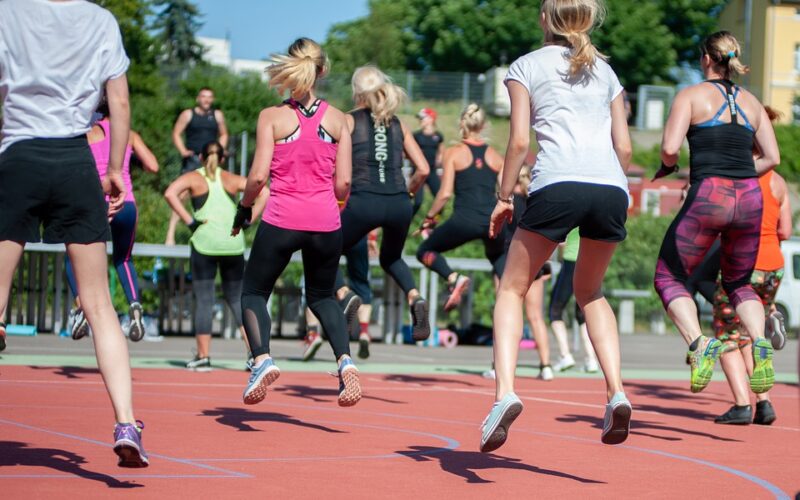
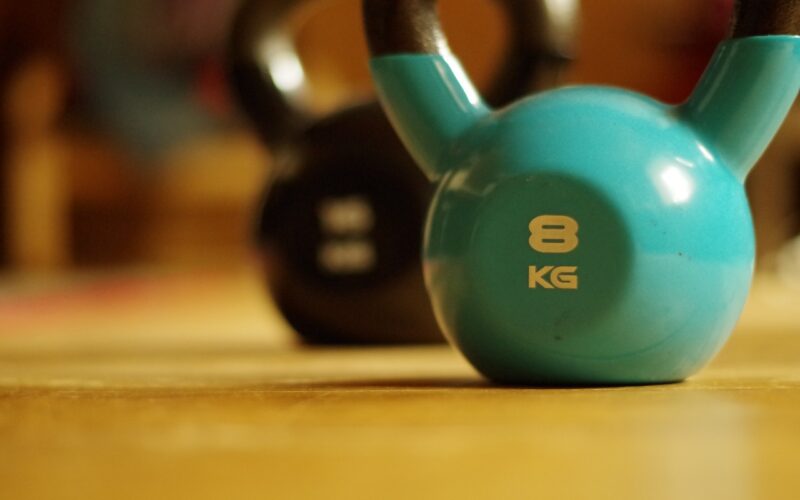
Community engagement plays a vital role in this growing fitness revolution. Group exercise classes tailored specifically for older demographics are becoming increasingly popular in local leisure centres and private independent gyms. These guided sessions provide a safe, welcoming environment where participants can learn proper movement techniques under the watchful eye of a qualified instructor. The social aspect of training together naturally fosters a deep sense of camaraderie and mutual support. Friendships formed over kettlebells and resistance bands often translate into vibrant social lives outside the gym walls, further enhancing overall personal wellbeing and general life satisfaction.
Embracing an active and fulfilling retirement
The traditional concept of ageing is being entirely redefined by those who consciously choose to keep moving. By prioritising functional fitness, today's retirees are unlocking a level of personal freedom previously thought completely impossible for their specific age group. They are travelling the globe, hiking rugged mountain trails, and participating in competitive recreational sports with genuine enthusiasm. This proactive approach ensures that their golden years are genuinely golden, filled with boundless vitality and meaningful purpose. It proves that with the right physical preparation, older adults can continue to thrive, explore, and live life entirely on their own terms.